
The mind games behind casino choices Understanding the psychology of gambling
The allure of risk in gambling
The thrill of taking risks is a significant factor that draws players to casinos. The psychology of gambling often revolves around the excitement of potentially winning big. This allure can trigger adrenaline responses, making players feel alive and engaged. Players can find more information at https://luckywinscasino-canada.com/ about various games that offer such experiences. The uncertainty involved in gambling acts as a magnet for many, compelling them to try their luck. This sensation of risk is akin to a rollercoaster ride, where each spin of the slot machine or deal of the cards comes with a rush of anticipation.
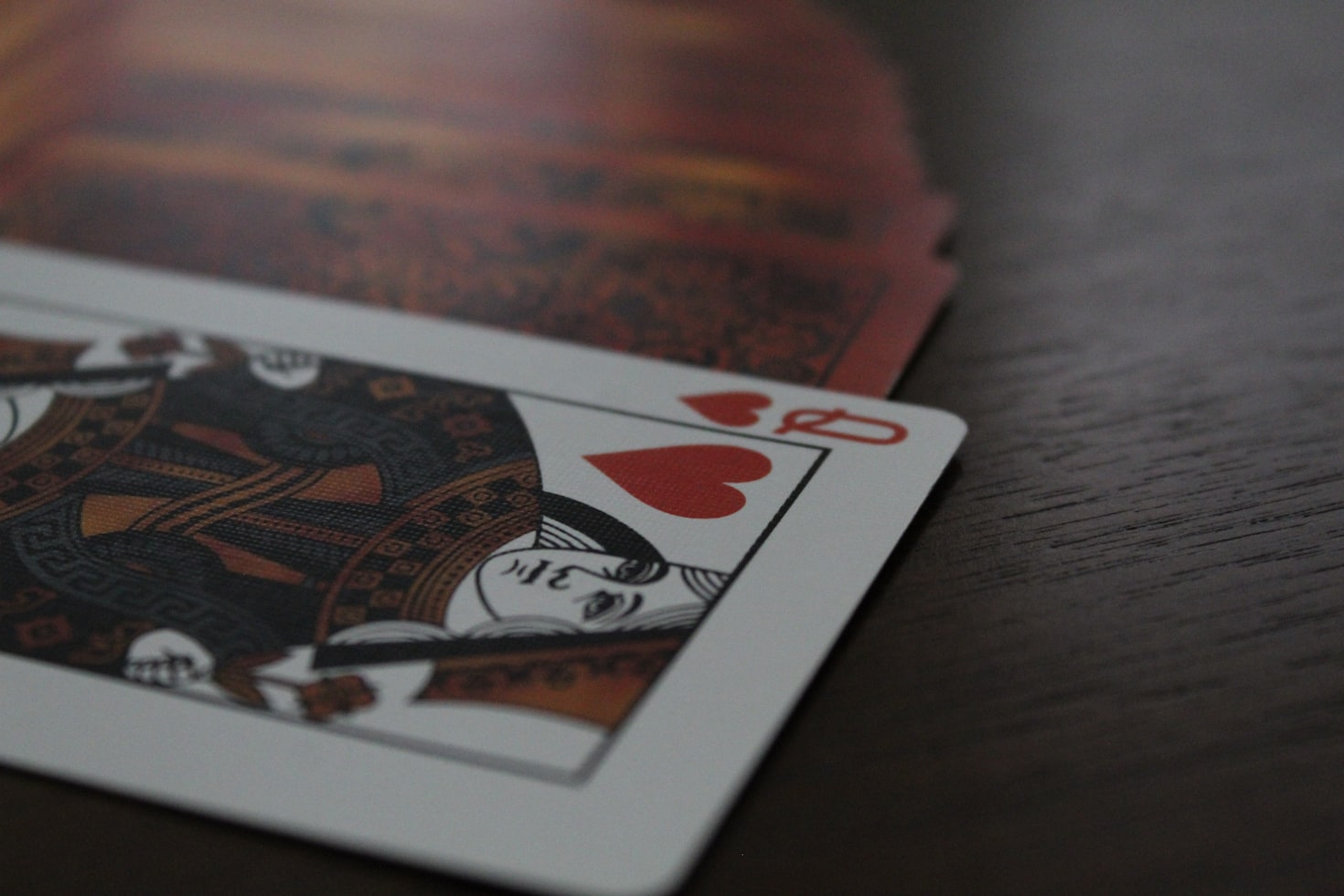
Moreover, the element of unpredictability plays a vital role in the choices made by gamblers. Players are often drawn to games where the outcome is not guaranteed. This unpredictability fosters a sense of empowerment, allowing individuals to believe that their choices can influence the results. As players engage with various games, they can experience a heightened sense of control, further enhancing their gambling experience. The stakes involved amplify this sensation, making each decision feel critical.
The combination of risk and potential reward establishes an emotional connection with the game. This emotional investment often leads to the phenomenon known as “chasing losses,” where players continue to gamble in an attempt to recoup their previous losses. This behavior can become a cycle of hope and despair, highlighting the psychological complexity of gambling choices. The continuous push to win, combined with the feeling of control, can create a profound impact on players’ decision-making processes.
The role of cognitive biases in gambling
Cognitive biases significantly influence how gamblers make choices in casinos. For instance, the “gambler’s fallacy” leads players to believe that past events impact future outcomes. If a slot machine has not paid out recently, a gambler might think it is “due” for a win. This skewed perception affects betting behavior, often leading to larger stakes in hopes of hitting a jackpot. This kind of flawed logic not only affects individual decisions but can also shape gambling patterns as a whole.
Another common cognitive bias is the “illusion of control,” where players mistakenly believe they can influence outcomes through their actions. This belief is particularly strong in games that involve an element of skill, such as poker. Even in purely luck-based games, like roulette, players may develop rituals or superstitions to enhance their sense of control. The casino environment fosters this illusion, as the glitz and glamour can distract players from the reality that many outcomes are ultimately beyond their influence.
These cognitive biases also contribute to the persistence of gambling behavior, as they can reinforce the desire to keep playing. The reinforcement of faulty beliefs leads to compulsive gambling, where individuals become entrapped in a cycle of hoping for a win. Recognizing these cognitive biases is crucial for understanding why players make certain choices in a casino. Awareness can help gamblers make informed decisions and potentially mitigate the psychological traps that often accompany gambling.
The impact of social dynamics in gambling choices
The social environment surrounding casinos profoundly impacts gambling behavior. Many players enjoy the camaraderie that comes with playing games in groups, whether at physical casinos or online platforms. Social interactions can enhance the overall experience, making it more enjoyable and engaging. The encouragement of peers often leads individuals to take risks they might not consider if playing alone, pushing them toward higher stakes and more adventurous choices.
Peer pressure can also amplify the risks associated with gambling. In a group setting, individuals may feel compelled to follow the crowd, whether by participating in high-stakes games or trying out new gambling strategies. This can lead to decision-making that may not align with personal limits or financial sensibility. The collective excitement of winning and losing can create an atmosphere of heightened emotion, impacting individual choices significantly.
Additionally, the social aspect of online gambling platforms can blur the lines between casual entertainment and serious gaming. Social media features, leaderboards, and chat rooms foster a sense of community, encouraging players to share experiences and strategies. However, this can also create a competitive atmosphere that drives people to gamble more. Understanding the influence of social dynamics can provide valuable insights into why individuals make particular gambling choices, enhancing our grasp of the psychological landscape of casinos.
The design of casinos and its psychological effects
The physical layout and design of casinos are meticulously crafted to manipulate players’ emotions and behaviors. From the moment a player steps through the doors, they are enveloped in an environment designed to enhance excitement and encourage prolonged play. The use of vibrant colors, flashing lights, and strategically placed games draws attention and creates a sensory overload that can be intoxicating. This immersive experience often leads to an altered state of awareness, making it easy for players to lose track of time and money.
Another key aspect of casino design is the absence of clocks and windows. This tactic is intentional, as it prevents players from keeping track of time, encouraging them to stay longer and gamble more. The atmosphere is further enhanced by music, which can elevate excitement levels and create a sense of urgency. These design choices not only increase the likelihood of gambling but also intensify the emotional experience of players, making them more susceptible to the thrills and pitfalls of gambling.
Moreover, the placement of high-stakes games near less expensive options creates an illusion of attainable success. Players who see others winning can become motivated to try their luck, despite the long odds. This kind of strategic arrangement plays on cognitive biases and emotional impulses, directing players toward games that may not align with their original intentions. Understanding the psychological effects of casino design can help players recognize these influences and make more informed decisions.

Lucky Wins Casino and player experience
Lucky Wins Casino stands out in the realm of online gaming, emphasizing a player-centric experience that aligns with the psychological insights discussed. With an extensive library of over 2,600 games, including slots, live dealers, and popular table games, Lucky Wins aims to cater to a wide range of player preferences. The seamless navigation and user-friendly interface ensure that players can focus on the gaming experience rather than get bogged down by technical hurdles, promoting enjoyment and satisfaction.
Another notable feature of Lucky Wins Casino is its attractive welcome bonus of up to CA$1,000, along with various promotions and generous free spin offerings. These incentives not only entice new players but also keep existing ones engaged. By leveraging psychological principles, such as the thrill of rewards and the desire for social proof, Lucky Wins creates an environment where players feel valued and motivated to return. The casino also prioritizes fast payouts and 24/7 customer support, adding to its reputation as a trustworthy platform.
In conclusion, understanding the mind games behind gambling choices reveals the intricate relationship between psychology and player behavior. Lucky Wins Casino effectively harnesses these insights to create a safe and enjoyable gaming environment for Canadian players. By recognizing the psychological factors that drive gambling, players can make more informed decisions and enhance their overall gaming experience.

No responses yet