
Understanding the psychology behind gambling what motivates players
The Allure of Risk and Reward
The psychology behind gambling is deeply rooted in the human attraction to risk and the prospect of reward. When players engage in gambling, they often find themselves in situations that stimulate adrenaline, heightening their senses and creating an exhilarating experience. This rush is closely tied to the anticipation of winning, which can be a powerful motivator. Many are drawn to sites like Goldenbet Casino UK for the possibility of hitting a jackpot or winning a significant amount, which can lead to impulsive behavior, where players often chase losses, believing they can turn their fortunes around with just one more bet.
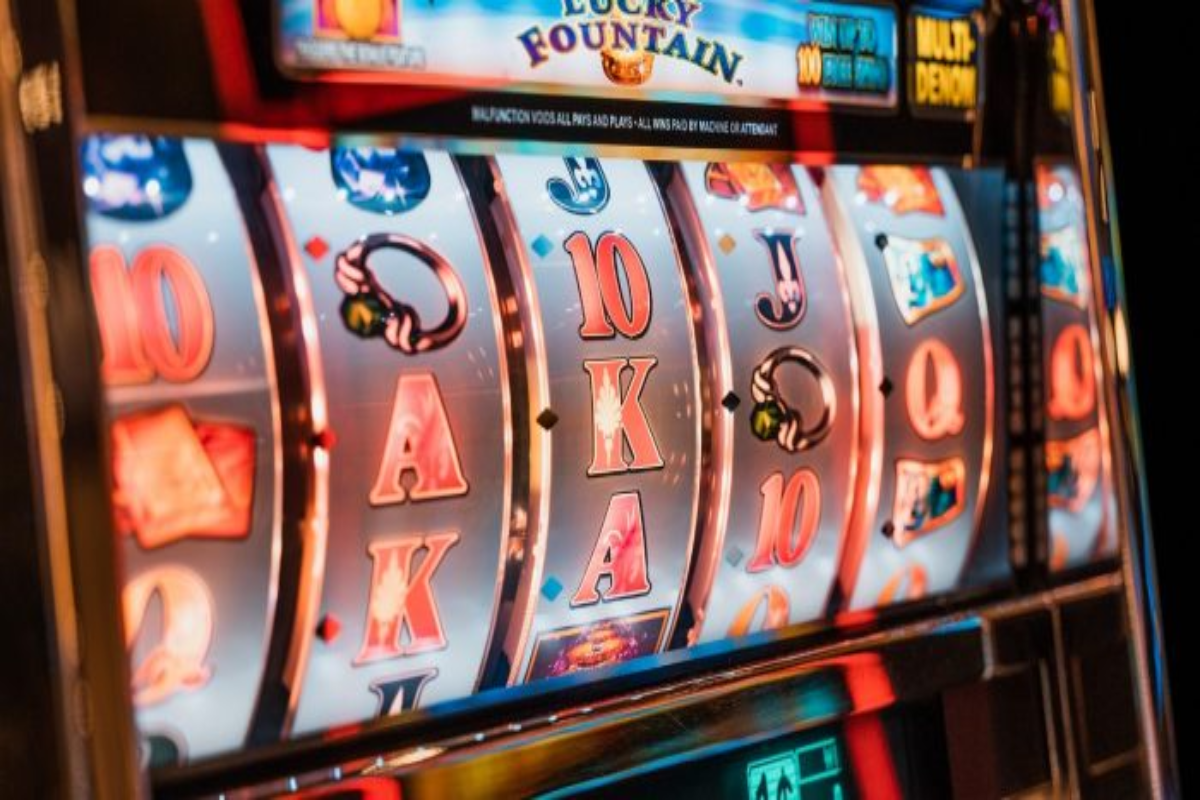
Moreover, the perception of odds plays a crucial role in shaping players’ decisions. Many gamblers believe they can overcome the house edge through skill or sheer luck, fueling their desire to continue playing. For instance, a player who wins a small amount on a slot machine may feel emboldened, leading them to increase their stake in hopes of landing a larger payout. This belief system can create a cycle of gambling behavior that is hard to break, as players often underestimate the actual probabilities involved.
Additionally, social factors contribute to the allure of gambling. Many players enjoy the communal experience of visiting casinos or participating in online games with friends. The shared excitement can amplify the thrill of gambling, making it an appealing social activity. This social aspect, combined with the psychological effects of risk and reward, forms a potent mix that drives many individuals to return to gambling environments time and again, even when they know the odds are not in their favor.
The Role of Cognitive Biases
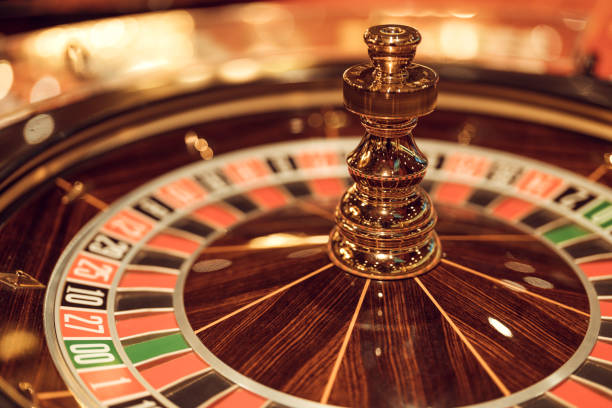
Cognitive biases significantly influence the way gamblers perceive their chances of winning. One common bias is the “gambler’s fallacy,” where individuals believe that past events can affect the likelihood of future outcomes. For example, if a roulette wheel lands on red several times in a row, a player might feel that black is “due” to appear, leading them to place bets based on flawed logic. Such misconceptions can lead to irrational betting patterns, encouraging players to gamble more than they typically would.
Another critical cognitive bias is the illusion of control, which gives players a false sense of mastery over random events. This belief is particularly prevalent in games that involve an element of skill, such as poker or blackjack, where players think they can influence the outcome through strategy. While skill can indeed play a role in these games, the randomness inherent in gambling means that the outcome is ultimately uncertain, yet this doesn’t deter players from engaging in risky bets.
Lastly, the near-miss phenomenon is particularly powerful in motivating players. When a player comes close to winning, such as landing on two out of three matching symbols on a slot machine, they may feel a surge of excitement, interpreting the near-miss as a sign that a win is imminent. This psychological effect can lead to persistent gambling behavior, as players chase the elusive feeling of hitting it big, despite not realizing that their chances of winning are unchanged.
Emotional Factors Driving Gambling Behavior
Emotions play a significant role in gambling, often driving players to engage in behaviors they may not typically exhibit. Many individuals use gambling as an escape from stress or emotional pain, seeking the thrill and distraction it provides. The highs and lows of gambling can mirror life’s emotional rollercoaster, offering players a temporary reprieve from their problems or a way to celebrate successes. This emotional dependency can lead to problematic gambling behavior, where players continuously seek out those highs.
Additionally, the excitement of gambling can elicit strong feelings of joy and satisfaction, especially when winning. This emotional response reinforces the behavior, encouraging players to gamble more frequently. For some, the mere act of playing can become a source of self-worth, leading to a cycle of increased risk-taking as players seek to replicate the initial thrill of their first big win.
Conversely, negative emotions can also drive gambling behavior. Individuals experiencing feelings of anger, sadness, or anxiety may turn to gambling as a coping mechanism. The temporary high associated with a win can serve as a form of self-medication, albeit an unhealthy one. Understanding these emotional triggers is essential for addressing problematic gambling, as recognizing when emotions lead to irrational betting can help players make more informed decisions.
Social Influences in Gambling
Social influences play a significant role in shaping gambling behavior, as individuals often mimic the habits and tendencies of those around them. Friends and family can heavily impact a person’s decision to gamble, particularly in settings where gambling is normalized or celebrated. In environments such as casinos or sporting events, the collective excitement can be contagious, making it easier for individuals to engage in gambling activities they might not consider alone.
The rise of online gambling platforms has also altered social dynamics, allowing players to engage with others globally. Many online casinos offer live dealer games where players can interact in real time, creating a sense of community and shared experience. These social interactions can enhance the enjoyment of gambling but can also lead to increased betting as players feel encouraged by their peers to take risks they might not take in isolation.
Additionally, advertising and marketing strategies utilized by gambling companies often target social aspects, highlighting the fun and enjoyment of gambling in social settings. Promotions that encourage group play, such as poker nights or betting pools, can further normalize gambling behavior. This societal acceptance can inadvertently pressure individuals to gamble, especially in cultures that glorify or celebrate gambling as a recreational activity.
Goldenbet Casino: A Responsible Gambling Environment
Goldenbet Casino UK understands the complex psychology behind gambling and prioritizes creating a responsible gambling environment. The platform offers a wide variety of games while also implementing features that promote safe gaming practices. With tools designed for self-regulation, players can set limits on their deposits, wagers, and time spent playing, ensuring they remain in control of their gambling habits.
Moreover, Goldenbet provides educational resources to help players understand the risks associated with gambling. By fostering a culture of responsibility, the casino encourages informed decision-making, enabling players to enjoy the thrills of gambling without falling prey to addiction. Through ongoing support and resources, Goldenbet strives to empower players, ensuring that gambling remains a fun and entertaining activity.
In addition to its commitment to responsible gaming, Goldenbet Casino enhances user experience with diverse payment options and generous bonuses, creating a dynamic and engaging platform. By recognizing the psychological factors that motivate players, Goldenbet works to create an environment where users can indulge in their passion for gaming while being mindful of their behavior and overall well-being.

No responses yet